

JABS Sokółka valmistaa kuukausittain 1 000 ikkunaa enemmän ilman, että se hankkii yhtään uutta konetta
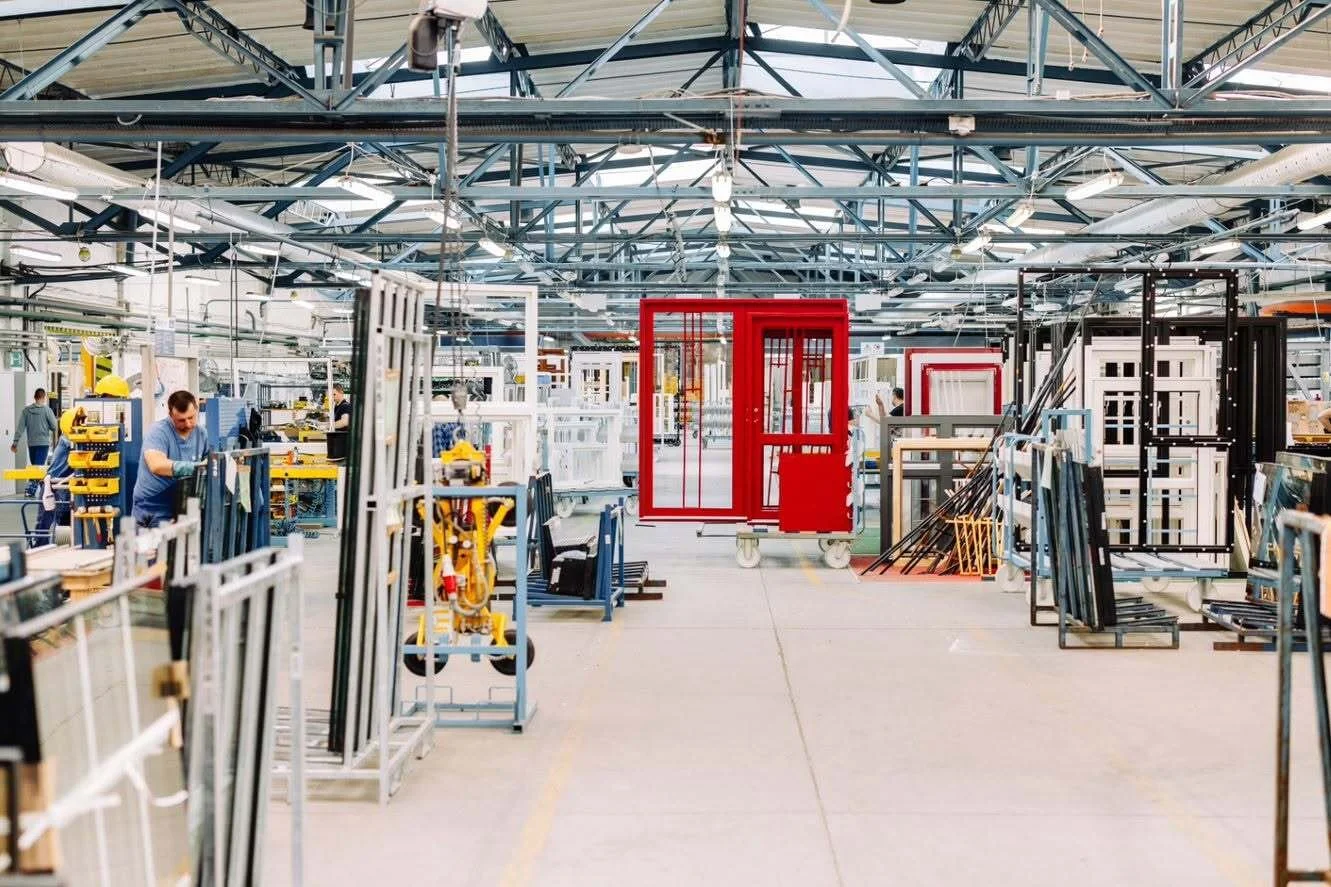
JABS Sokółka on Puolassa toimiva puuikkunoiden valmistaja, jolla on yli 50 vuoden tuotantohistoria. Se on JABS-konsernin suurin tehdas, joka kuuluu Inwido-konserniin, joka on Euroopan suurin ikkuna- ja ovikonserni. Tehdas valmistaa vuosittain noin 70 000 mittatilaustyönä valmistettua ikkunaa asiakkaille Skandinaviassa ja muualla Euroopassa.
Tehtaalla on samassa kerroksessa kuusi erilaista ikkunatuotantolinjaa, ja jokainen yksikkö valmistetaan asiakastilauksen mukaan, eikä kahta samanlaista tilausta ole. Noin puolet sen 50 koneesta on yli 20 vuotta vanhoja. Vielä äskettäin tuotannon seuranta rajoittui osastotason tuotantolukuihin ja kynällä ja paperilla tehtyihin laskelmiin. Koneiden tuotantoa, seisokkiaikoja ja tuotannonvaihtoja ei mitattu lainkaan.
Vuonna 2024 JABS Sokółka liitti ensimmäiset tärkeimmät koneensa GlobalReader-järjestelmään, aloittaen tuotantolinjasta, joka tuottaa 70 % sen kapasiteetista.
Kaksi vuotta myöhemmin päivittäinen tuotanto on noussut 280:stä 340 ikkunaan, tehokkuus on kasvanut 20–25 %, ja investointipäätökset tehdään nyt arvioiden sijaan koneiden todellisten tietojen perusteella.
Tässä tapaustutkimuksessa JABS Sokółkan tuotantopäällikkö Maciej Czajka kertoo tarkasti, mitä vaaditaan monipuolisen tuotannon tehtaalla, jossa jokainen ikkuna valmistetaan mittatilaustyönä: miten he mittasivat suorituskykyä aiemmin, mikä lopulta sai heidät etsimään seurantaratkaisua ja kuinka he nyt tuottavat 1 000 ikkunaa enemmän kuukaudessa GlobalReaderin avulla.
Yrityksen esittely:
Tuotevalikoima: Korkealaatuiset mittatilaustyönä valmistetut puu- ja puu-alumiini-ikkunat (kuusi erilaista ikkunamallia, jokainen ikkuna valmistetaan asiakkaan tilauksen mukaan)
Yrityksen koko: 350 työntekijää (joista 300 tuotannossa); yritys kuuluu Inwido-konserniin (Euroopan suurin ikkuna- ja ovikonserni)
Asiakkaat: Tuotteita myydään suoraan kuluttajille verkossa JABS Groupin tuotemerkkien alla, pääasiassa Skandinaviassa (Tanskassa, Norjassa, Ruotsissa), Saksassa, Alankomaissa, Itävallassa ja Puolassa
Tuotantomäärä: 70 000 ikkunaa vuodessa
Työvuorot: 2 työvuoroa kolmella osastolla (koneet, maalauslinjat, kokoonpano/lasitus) sekä lauantaisin sesonkiaikana
Koneet: yhteensä 50, joista 25 on yli 20 vuotta vanhoja
GlobalReader-järjestelmään liitettyjä koneita: 12 (aloitettiin 6 koneella, jotka kattoivat 70 % tuotantokapasiteetista, sekä 3 maalauslinjalla; laajennetaan vaiheittain)
JABS:n tärkeimmät avainmittarit: tuotanto, käytettävyys (katkokset ja niiden syyt), suorituskyky, koneiden OEE
GlobalReaderin käyttötarkoitukset: reaaliaikainen tuotannon ja seisokkien seuranta, seisokkien syiden seuranta, OEE, räätälöity energiankulutuksen seuranta (virta kullekin koneelle), käyttöliittymät puhelimella, tabletilla ja tietokoneella, pääsy useisiin tehtaisiin tehtaiden välistä vertailuanalyysia varten, puolankielinen käyttöliittymä
Järjestelmäympäristö: GlobalReader toimii tehtaan nykyisen kunnosspito-ohjelmiston rinnalla (GlobalReaderin kunnosspitomoduuli ja hylkyseuranta kuuluvat tulevaisuuden kehityssuunnitelmiin)
Ennen GlobalReaderia: Tehdas, joka toimi kynän, paperin ja vaiston varassa
Ennen GlobalReaderin käyttöönottoa JABS Sokółka seurasi tuotantoaan samalla tavalla kuin se oli tehnyt jo vuosikymmenten ajan. Kukin osasto ilmoitti kokonaistuotantonsa, mutta kukaan ei osannut sanoa, mitä yksittäiset koneet tuottivat, kuinka usein ne pysähtyivät tai miksi.
”Jos koneelle tehtiin kahden tunnin huolto, siitä mainittiin vain lyhyesti seuraavan aamun kokouksessa.”
Puutteet näkyivät kaikkialla päivittäisessä toiminnassa. Jos johto tarvitsi konetason tietoja, ainoa vaihtoehto oli manuaalinen menetelmä: operaattori kirjoitti kappalemäärät paperille, ja jonkun toimistossa piti sitten kirjoittaa ja käsitellä tiedot käsin. Tämä tarkoitti, että tiedot olivat usein myöhässä, puutteellisia ja liian kalliita kerättäväksi säännöllisesti. Koneiden seisokit tulivat esiin vasta päivää myöhemmin, lyhyenä suullisena päivityksenä aamukokouksessa, ilman kirjanpitoa lyhyemmistä seisokeista, mikroseisokeista tai niiden syistä.
”Käytimme kynää ja paperia. Koneen käyttäjä kirjoitti: ’Tänään tein 55 kappaletta.’ Sitten tarvittiin joku toimistossa käsittelemään noita tietoja. Se oli vaikein osa.”
Tämä aiheutti kaksi konkreettista ongelmaa.
Ensinnäkin tuotannon vaihtelut olivat selittämättömiä: kun maanantain tuotanto oli tiistaita pienempi, kukaan ei osannut sanoa miksi, joten kukaan ei myöskään pystynyt korjaamaan tilannetta.
”Ennen GlobalReaderin asentamista emme edes tienneet, että meillä oli ongelma. Meillä ei ollut tietoa siitä, miksi maanantain tuotanto oli heikompaa kuin tiistain tai päinvastoin.”
Toiseksi mittaamaton aika kului huomaamatta lattialla. Pitkät tauot ja pienet pysähdykset, joita kukaan ei huomannut.
Tuloksena oli 350 hengen tehdas, joka valmisti 70 000 ikkunaa vuodessa, eikä kukaan osannut selittää, miksi yksi päivä sujui hyvin ja seuraava huonosti.
Suurin pullonkaula: Ongelma on tiedossa, mutta todisteita ei ole lainkaan
JABS:lle kallein seuraus oli päätöksenteko ilman näyttöä.
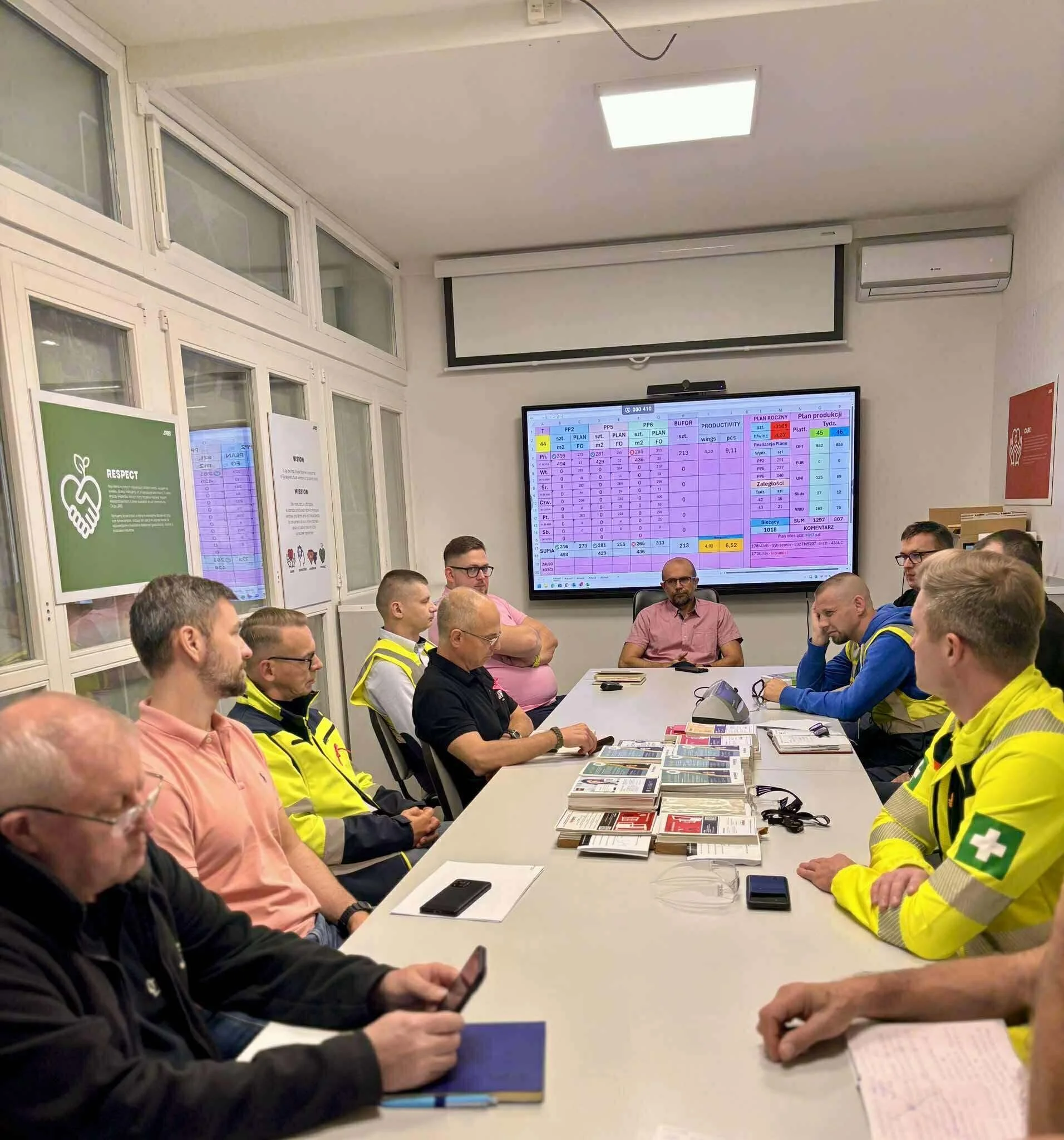
”Tiesimme, että kyseinen kone oli pullonkaulamme. Mutta meillä ei ollut mitään lukuja.”
Tiimi tiesi, että yksi kone oli tehtaan pullonkaula, mutta ilman lukuja he eivät pystyneet todistamaan sitä, arvioimaan sen laajuutta tai laatimaan sen pohjalta investointiesitystä.
Suunnittelu perustui Excel-laskelmiin, jotka osoittautuivat virheellisiksi: laskentataulukon mukaan keskeisellä koneella tehtiin 45 tuotantovaihtoa päivässä, mutta todellisuudessa niitä oli 60–70. Tuotantolinjalla mittaamaton aika katosi huomaamatta: pienet seisokit ja venytetyt tauot, joita kukaan ei nähnyt, ja lisäksi operaattorit olivat jo vuosien ajan ilmoittaneet ongelmista ilman niitä tukevaa dataa.
Miksi JABS Sokółka valitsi GlobalReaderin?
Tehdas oli kolmen vuoden ajan tehnyt ahkerasti töitä prosessien parantamiseksi, mutta ilman koneiden tasolla tehtäviä mittauksia kukaan ei pystynyt selvittämään, toimivatko muutokset, missä aikaa menetettiin tai miksi tuotanto vaihteli päivästä toiseen.
Tuotantotiimille oli selvää, että tehtaan tehokkuuden parantamiseksi heidän oli alettava mitata prosesseja.
”Tärkein syy, miksi aloimme etsiä tehtaan valvontaohjelmistoa, oli se, että halusimme alkaa mitata prosessia, jotta voisimme parantaa sitä.”
Valinta tehtiin ryhmäpäätöksenä. JABS:n virolaisessa sisartehtaassa oli jo käytössä GlobalReader, joten kun Sokółka aloitti työkalujen arvioinnin, siellä verrattiin useita toimittajia rinnakkain. Ratkaisevaksi tekijäksi nousi käytettävyys: ohjelmisto, jonka käyttäjät, työnjohtajat ja johtajat pystyivät itse oppimaan ja käyttämään puhelimella, tabletilla tai tietokoneella ilman kuukausia kestävää konsulttien apua.
”Tapasimme useita toimittajia ja vertailimme hintoja ja vaihtoehtoja. Ratkaisevaa oli se, että GlobalReader on erittäin helppokäyttöinen ja sen käyttö on helppo oppia. Lisäksi GlobalReaderissa on puolankielinen vaihtoehto! Se on operaattoreille erittäin tärkeää.”
JABS asensi GlobalReader-laitteiston itse koko konekantaan – niin nykyaikaisiin koneisiin kuin yli 20 vuotta vanhoihin koneisiin – GlobalReaderin ohjeiden mukaisesti.
Uudemmissa koneissa antureita ei edes tarvittu: signaali otetaan suoraan koneen sähkökotelosta. Vanhemmissa malleissa tiimi asensi lisäanturit itse. Koko käyttöönotto, laitteistosta koulutettuihin käyttäjiin, hoidettiin etäyhteyden kautta GlobalReaderin käyttöönottotiimin avustuksella.
”Asensimme kaiken itse. Se on melko helppoa, jos mukana on joku, joka tietää, miten kone toimii.”
GlobalReaderin avulla: JABS toimii numeroiden varassa, tuotantolaitoksesta johtokunnan kokoushuoneeseen Tanskassa
Nykyään tehtaan päivittäinen toiminta on täysin erilainen.
”Viimeinkin meillä on lukuja. Meillä on perusteluja taskussamme.”
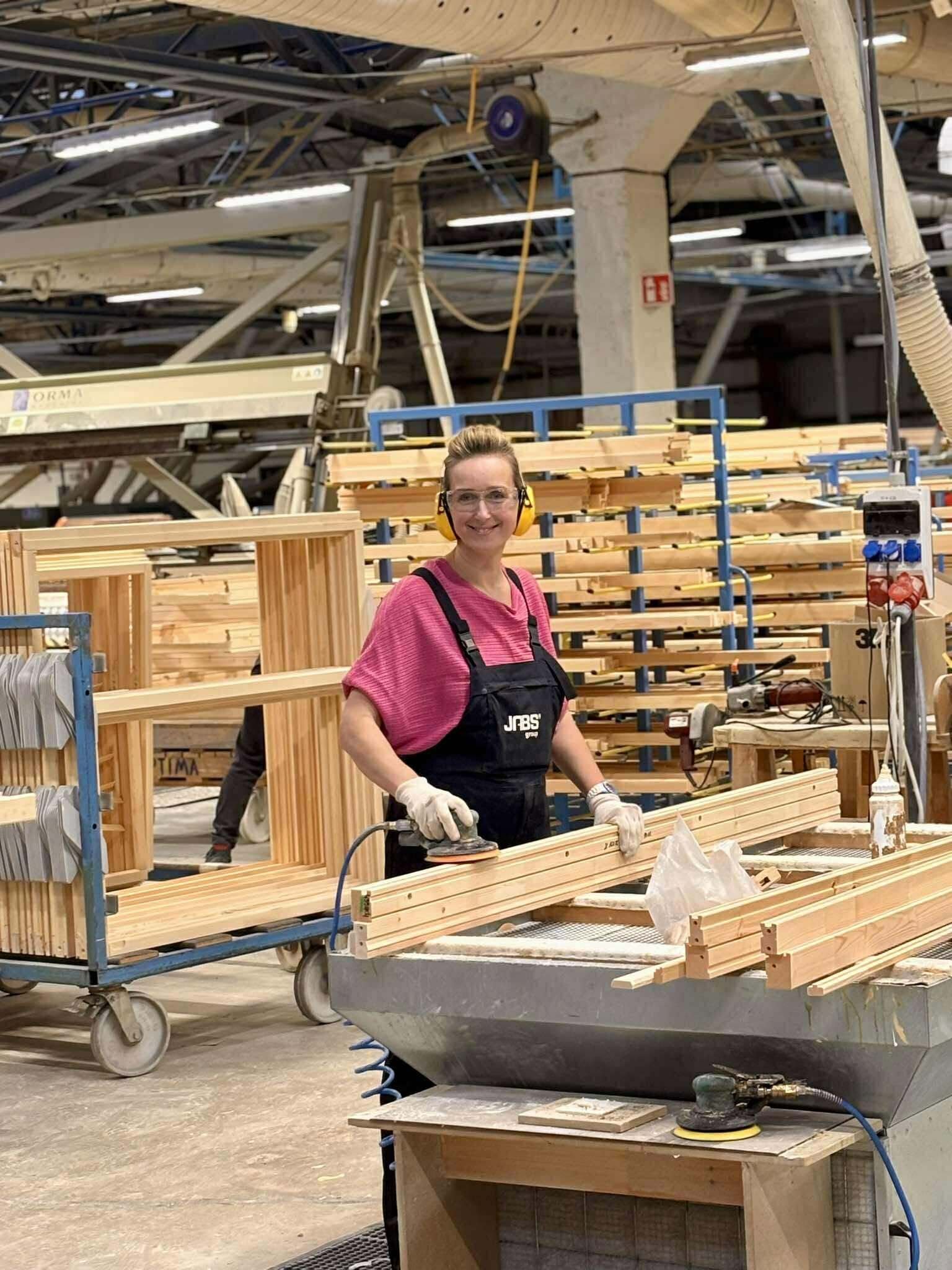
Aiemmin koneiden suorituskykyä seurattiin paperilta ja edellisenä päivänä aamukokouksessa annetuista suullisista päivityksistä, mutta nykyään esimiehet ja työnjohtajat seuraavat päivittäin reaaliaikaisia tuotanto- ja seisokkitietoja ja raportoivat tuotantopäällikölle, mikä on pysähtynyt ja miksi.
Ongelmat korjataan saman työpäivän aikana. Jos ensimmäinen vuoro jää tavoitteistaan, tiimi saa siitä välittömästi tiedon, ja toinen vuoro voi kuroa eron umpeen vielä samana päivänä.
”Siitä lähtien, kun otimme Global Readerin käyttöön, työntekijät ovat työskennelleet itsenäisesti ja johdonmukaisesti entistä tehokkaammin. Uskon, että kyseessä on psykologinen tekijä. Koska joku tai jokin valvoo konetta ja käyttäjä on vastuussa seisokkien kirjaamisesta, he pyrkivät itsekin poistamaan ne.”
Toistuville keskeytyksille tehdään viiden miksi -analyysi (yhdessä niitä ilmoittavien operaattoreiden kanssa), ja korjaukset viedään takaisin tuotantolinjalle. Operaattorit ovat nyt osa parantamissykliä, sillä jokainen heidän ilmoittamansa ongelma kirjataan ylös, se on näkyvissä eikä sitä voi sivuuttaa.
”Voimme nyt mennä pomomme luo ja sanoa: tämän koneen käyttöaste on jo 95 %. Sillä ei ole mahdollista tuottaa enempää. Jos haluamme tuottaa enemmän, meidän on investoitava. Ei kahteen koneeseen, vaan vain juuri tuohon tiettyyn koneeseen.”
Tiedot kulkevat myös ylöspäin. Joka kuukausi tuotantopäällikkö laatii GlobalReader-lukemien perusteella raportin Tanskassa sijaitsevalle konsernijohdolle, ja näiden lukujen pohjalta tehdään yhteisiä päätöksiä siitä, mihin seuraavaksi tulisi panostaa. Samat tiedot hyödynnetään myös tuotannon ulkopuolella: myyntitiimi käyttää nyt reaaliaikaista konetietoa tuotekustannusten tarkkaan laskemiseen, sillä tehdas on saattamassa päätökseen GlobalReader-mittauksiin perustuvan lisäarvon kartoitusprojektin.
”Laadin joka kuukausi GlobalReader-lukujen perusteella raportin Tanskan pääkonttorillemme, ja keskustelemme yhdessä siitä, mitä toimenpiteitä toteutetaan ja mihin suuntaan edetään.”
Ja GlobalReaderin tiedot havaitsevat sen, mitä ihmiset eivät huomaa. Vuoden 2026 alkupuolella eräs esimies huomasi, että maalauslinjan päivittäiset tuotantomäärät olivat laskeneet. Aluksi tiimi epäili, että GlobalReaderin lukemat olivat virheellisiä, mutta niin ei ollut. Kävi ilmi, että maalauslinjan hihnan nopeus oli hidastunut 3,8 metristä minuutissa 3,5 metriin minuutissa. Tämä oli manuaalinen asetus vanhalla linjalla, jossa ei ollut omaa mittausjärjestelmää, ja se aiheutti huomaamatta 50–100 ylimääräistä läpikulkua päivässä. Ilman GlobalReaderia kukaan ei olisi koskaan huomannut tätä.
”Aluksi luulimme, että GlobalReaderissa oli vikaa. Mutta GlobalReader toimi kunnolla. Hihnan nopeus oli laskenut 3,8 metristä 3,5 metriin minuutissa. Se tarkoittaa 50–100 kulkukertaa päivässä!”
Prosessin syvällisempää analysointia varten tiimi kehitti oman menetelmänsä: yhdellä näytöllä he toistavat edellisen päivän kamerakuvamateriaalia työasemalta, ja toisella avaavat saman ajanjakson GlobalReader-keskeytyskaavion. Kun näitä kahta verrataan rinnakkain, nähdään tarkasti, missä prosessissa aikaa menetetään (hidas materiaalin luovutus, puuttuva kuljetusvaunu, odotettua kauemmin kestävä tuotantovaihto) ja missä työasema tarvitsee parempia työkaluja tai paremman tilajärjestelyn operaattorin tueksi.
”Operaattorit haluavat keskustella. Nyt näemme heidän ilmoittamansa häiriöt ja kysymme: mitä meidän pitäisi tehdä asialle? Se on erittäin hyödyllistä molemmille osapuolille.”
Lopuksi, selkein esimerkki uudesta työnkulusta on maalauslinjan puhdistusrutiini (suodattimien vaihto ja linjan pesu jokaisen päivän alussa ja lopussa). Aiemmin tähän kului yksi tunti aamulla ja toinen illalla. Koska GlobalReader rekisteröi tämän suurena, toistuvana keskeytyksenä, tiimi analysoi tilannetta linjaa hoitavien operaattoreiden kanssa ja sopi paremmasta tavasta suorittaa työ. Nykyään sama puhdistus kestää aamulla 30 minuuttia ja illalla 45 minuuttia. Tämä tarkoittaa 45 minuutin tuotantokapasiteetin palautumista joka ikinen päivä.
JABS:n tulokset GlobalReader-ohjelmiston avulla: Samilla koneilla tuotettujen ikkunoiden määrä nousi 280:stä 340:een päivässä
Kaksi vuotta myöhemmin luvut puhuvat puolestaan.
”GlobalReader ei tarjoa ratkaisua ongelmiisi. Se antaa sinulle tietoa, jonka avulla ymmärrät, että sinulla todellakin on ongelma. Aiemmin et edes tiennyt sitä.”
Tuotantojohtajan mukaan GlobalReader ei ole ainoa vaikuttava tekijä – myös tiimin prosessien kehittämistyö on tärkeää, mutta juuri järjestelmä on tehnyt tästä työstä mitattavaa, todistettavaa ja toistettavaa:
✅ Vuosittain tuotetaan 12 000 ikkunaa enemmän: päivittäinen tuotanto kasvoi 280 ikkunasta 340 ikkunaan, mikä on 21 prosentin kasvu ilman uusia tuotantokoneita, lisätilaa tai uusia työntekijöitä
✅ +20–25 %:n tehokkuuden parannus kahdessa vuodessa: tuotanto työtuntia kohden, ei pelkästään kokonaistuotanto
✅ Maalauslinjan päivittäiset puhdistuksesta johtuvat seisokit lyhenevät 38 %: 2 tunnista päivässä (1 tunti alussa + 1 tunti lopussa) 75 minuuttiin, mikä palauttaa yli 150 tuntia maalauslinjan kapasiteettia vuodessa
✅ 50–100 poikkiliikettä päivässä havaitaan havaitsemalla hiljainen hihnan nopeuden vaihtelu (3,8–3,5 m/min), jota mikään manuaalinen järjestelmä ei olisi havainnut
✅ Yksi varmalla tietoon perustuva konehankinta: kun pullonkaulakoneen käyttöaste oli dokumentoitu olevan 95 %, investointiesitys toimitettiin konsernijohdolle todisteiden kera, ja siinä kohdistettiin toimet tarkasti juuri kyseiseen pullonkaulaan arvailun sijaan
Näiden lukujen lisäksi syntyy hiljaisia, mutta yhtä tärkeitä säästöjä: koneet tuottavat sen sijaan, että ne seisoisivat valmiustilassa, ilmanvaihto ja sähkö käytetään tuotantoon eikä tyhjäkäyntiin, maalia ei enää ruiskuteta tyhjille vaunuille, ja ikkunaa kohti laskettu hiilijalanjälki pienenee.
””Parempitehokkuus tarkoittaa alhaisempia kokonais tuotantokustannuksia. Tuotamme nyt paljon enemmän samassa ajassa ja säästämme samalla sähköä. Ilmanvaihto ei pyöri turhaan, eivätkä koneet ole valmiustilassa vaan toiminnassa.””
