

Get a comprehensive overview about OEE
Latest GlobalReader Posts
Deep Dive Into Digitalisation



Everything about Lean Manufacturing




Read GlobalReader Case Studies about OEE


Everything about Data Analysis


Everything about TEEP

ALL GlobalReader Posts



10 best OEE Software for SME European Manufacturers (2026)
For most European manufacturers running 10-20 machines, GlobalReader is the most practical OEE software to start with. The hardware is included in the subscription, setup takes about 90 minutes, it connects to your ERP, and customers recover on average €39,200 of lost capacity per machine each year. Larger or specialised plants may be better served by Factbird, MachineMetrics or Vorne.
What Is Downtime Analysis?
A good downtime interruption reason-code list is short enough for operators to use during a stop, but specific enough for managers to see patterns across shifts and lines. Start with 8 to 12 codes so operators get fast choices under pressure and leaders get cleaner data than a long list filled with guesses and “Other.”
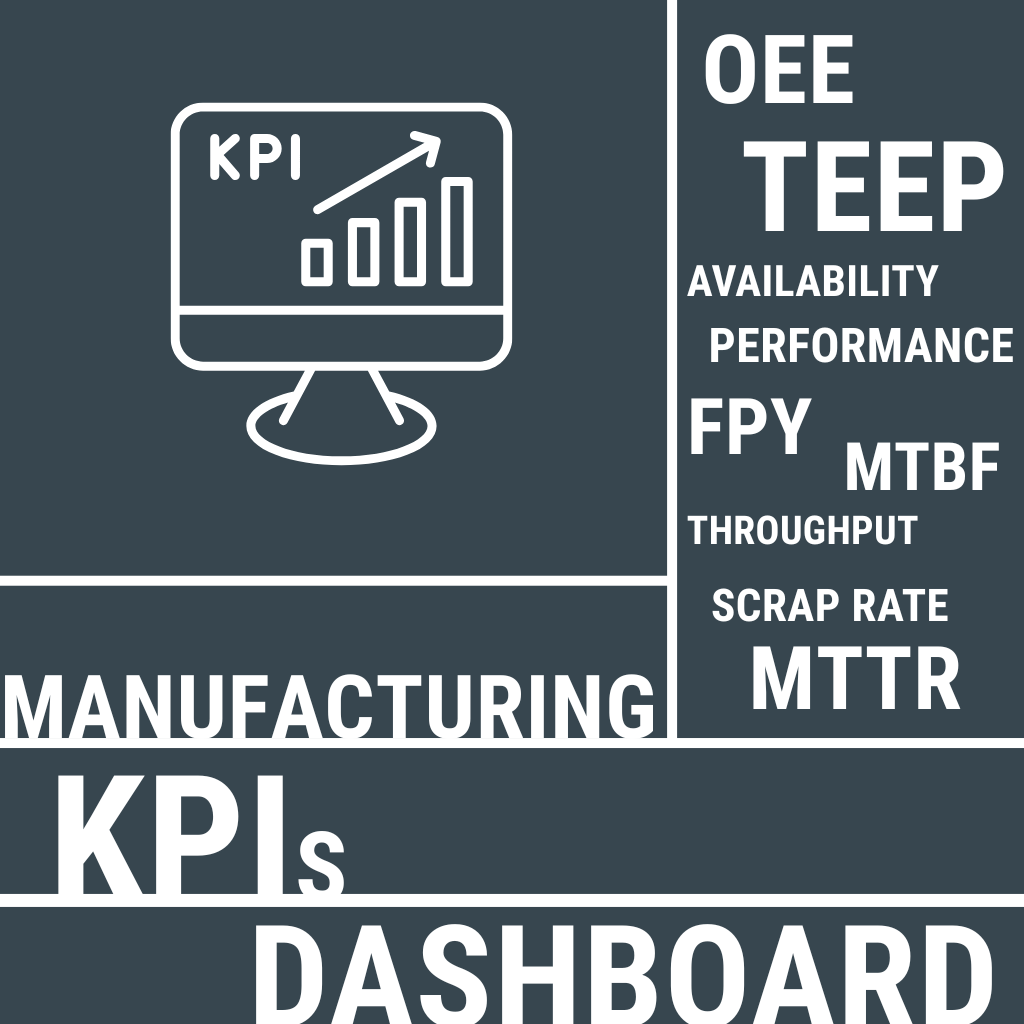
The 12 Manufacturing KPIs That Matter for a 10–20 Machine Factory
A curated list of the 12 KPIs that matter in a 10-20 machine factory - not the 47-KPI listicles the big content sites publish.

OEE Dashboard: What to Show Operators, Managers and the CEO
What downtime tracking software does, why paper and Excel logs fail, and what it costs per machine. Automatic stop detection for 10-20 machine factories.

OEE Calculation: Formula, Steps and a Worked Example
The single definitive calculation resource: the OEE formula, the three components at a glance, a four-step calculation walkthrough with a complete worked example from one shift in a 15-machine wood factory, a free Excel template OR an HTML calculator, the simple vs true OEE distinction (two-sensor method), and an embedded ROI-calculator CTA

Planned vs Unplanned Downtime: The Difference and How to Cut Both
Planned downtime is when you deliberately take production machines offline for a reason - upgrades, testing, repairs etc.
What Is Performance in OEE?
A high performance rate means your equipment is running close to its designed or product-specific speed. However, it’s important to note that not every product can be produced at the machine’s maximum capability
MTBF and MTTR: Machine Reliability KPIs
MTBF (Mean Time Between Failures) and MTTR (Mean Time To Repair) tell you how dependable your machines are, how prepared your maintenance team is, and…
Manufacturing Downtime: Causes, Costs, and Prevention
Manufacturing downtime is any period when production equipment is not operating and producing goods. It's the gap between your planned production capacity and what you actually achieve.

Manufacturing Efficiency with Data-Driven Insights
Manufacturers are constantly seeking ways to improve manufacturing efficiency. Many companies are only now beginning to consider the importance of automation and digitalisation. Those who are already exploring these solutions have a distinct advantage.
Cost Of Quality In Manufacturing
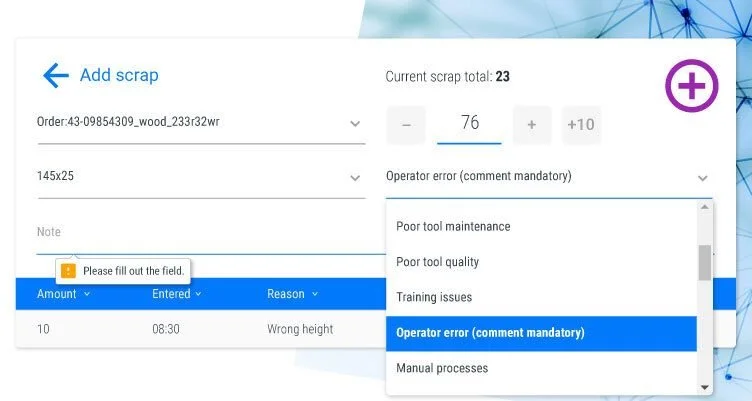
Cost of Quality (COQ) is a framework for quantifying all costs incurred by an organisation related to ensuring product or service quality, categorised into:
Prevention costs, such as training, process design and preventive maintenance, aimed at averting defects before they occur.
Appraisal costs, including inspection, testing and audit activities, undertaken to verify conformance to quality standards.
Failure costs, which encompass internal failures (scrap, rework and downtime) and external failures (warranty claims, returns and reputational damage).
By analysing COQ, a company gains visibility into how much it spends on maintaining versus rectifying quality, and can therefore identify where investments in process improvements will yield the greatest savings and performance gains.

How to Implement a Production Improvement Plan: A Step-by-Step Guide
Implementing an effective production process improvement plan requires a systematic approach, from assessing current performance to setting goals, optimizing processes, and engaging employees.

Common Challenges in OEE Implementation and How to Overcome Them
OEE Implementation in a manufacturing environment can be transformative, driving significant improvements in productivity, efficiency, and quality. However, many companies face common challenges that can impede the successful adoption of OEE practices.

Top 10 Strategies to Improve Your Manufacturing Process
It is essential to improve OEE for manufacturing efficiency and profitability. By implementing these top 10 strategies, manufacturers can identify inefficiencies, reduce downtime, and enhance overall productivity. Start implementing these strategies today to see a marked improvement in your OEE and operational performance.

Overall Equipment Effectiveness: Definition & Guide
Interested in knowing what is overall equipment effectiveness? Good! When it comes to the question of what is Overall Equipment Effectiveness, we can say it is a crucial performance metric for manufacturers, measuring the percentage of manufacturing time that is genuinely productive. By evaluating the efficiency and effectiveness of equipment, it provides a comprehensive insight into how well a manufacturing operation is utilised. It encompasses three key components: Availability, Performance, and Quality, offering a clear picture of areas needing improvement.

Maximising Manufacturing Efficiency and Performance with OEE
Efficiency is crucial for competitiveness. One effective way to achieve this is through OEE. This blog post delves into what OEE is, how to calculate it, and its essential role in boosting productivity and driving continuous improvement.
