

Get a comprehensive overview about OEE

For most European manufacturers running 10-20 machines, GlobalReader is the most practical OEE software to start with. The hardware is included in the subscription, setup takes about 90 minutes, it connects to your ERP, and customers recover on average €39,200 of lost capacity per machine each year. Larger or specialised plants may be better served by Factbird, MachineMetrics or Vorne.
A good downtime interruption reason-code list is short enough for operators to use during a stop, but specific enough for managers to see patterns across shifts and lines. Start with 8 to 12 codes so operators get fast choices under pressure and leaders get cleaner data than a long list filled with guesses and “Other.”
A curated list of the 12 KPIs that matter in a 10-20 machine factory - not the 47-KPI listicles the big content sites publish.

What downtime tracking software does, why paper and Excel logs fail, and what it costs per machine. Automatic stop detection for 10-20 machine factories.

The single definitive calculation resource: the OEE formula, the three components at a glance, a four-step calculation walkthrough with a complete worked example from one shift in a 15-machine wood factory, a free Excel template OR an HTML calculator, the simple vs true OEE distinction (two-sensor method), and an embedded ROI-calculator CTA

Planned downtime is when you deliberately take production machines offline for a reason - upgrades, testing, repairs etc.
A high performance rate means your equipment is running close to its designed or product-specific speed. However, it’s important to note that not every product can be produced at the machine’s maximum capability
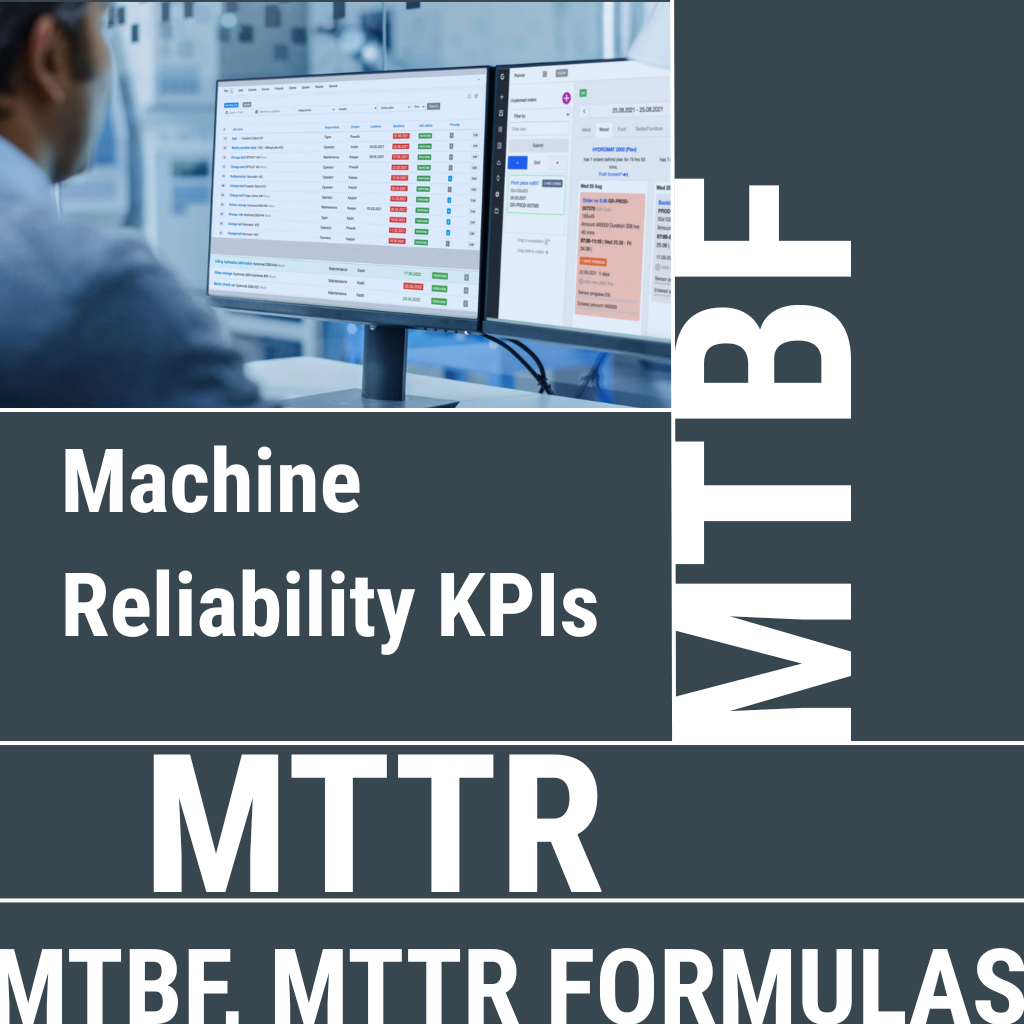
MTBF (Mean Time Between Failures) and MTTR (Mean Time To Repair) tell you how dependable your machines are, how prepared your maintenance team is, and…
Manufacturing downtime is any period when production equipment is not operating and producing goods. It's the gap between your planned production capacity and what you actually achieve.

Manufacturers are constantly seeking ways to improve manufacturing efficiency. Many companies are only now beginning to consider the importance of automation and digitalisation. Those who are already exploring these solutions have a distinct advantage.
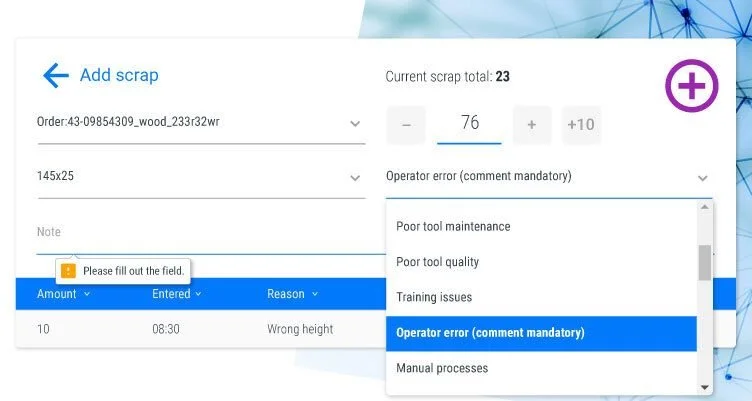
Cost of Quality (COQ) is a framework for quantifying all costs incurred by an organisation related to ensuring product or service quality, categorised into:
Prevention costs, such as training, process design and preventive maintenance, aimed at averting defects before they occur.
Appraisal costs, including inspection, testing and audit activities, undertaken to verify conformance to quality standards.
Failure costs, which encompass internal failures (scrap, rework and downtime) and external failures (warranty claims, returns and reputational damage).
By analysing COQ, a company gains visibility into how much it spends on maintaining versus rectifying quality, and can therefore identify where investments in process improvements will yield the greatest savings and performance gains.

Implementing an effective production process improvement plan requires a systematic approach, from assessing current performance to setting goals, optimizing processes, and engaging employees.

OEE Implementation in a manufacturing environment can be transformative, driving significant improvements in productivity, efficiency, and quality. However, many companies face common challenges that can impede the successful adoption of OEE practices.

It is essential to improve OEE for manufacturing efficiency and profitability. By implementing these top 10 strategies, manufacturers can identify inefficiencies, reduce downtime, and enhance overall productivity. Start implementing these strategies today to see a marked improvement in your OEE and operational performance.

Interested in knowing what is overall equipment effectiveness? Good! When it comes to the question of what is Overall Equipment Effectiveness, we can say it is a crucial performance metric for manufacturers, measuring the percentage of manufacturing time that is genuinely productive. By evaluating the efficiency and effectiveness of equipment, it provides a comprehensive insight into how well a manufacturing operation is utilised. It encompasses three key components: Availability, Performance, and Quality, offering a clear picture of areas needing improvement.

Efficiency is crucial for competitiveness. One effective way to achieve this is through OEE. This blog post delves into what OEE is, how to calculate it, and its essential role in boosting productivity and driving continuous improvement.
Latest GlobalReader Posts
Deep Dive Into Digitalisation
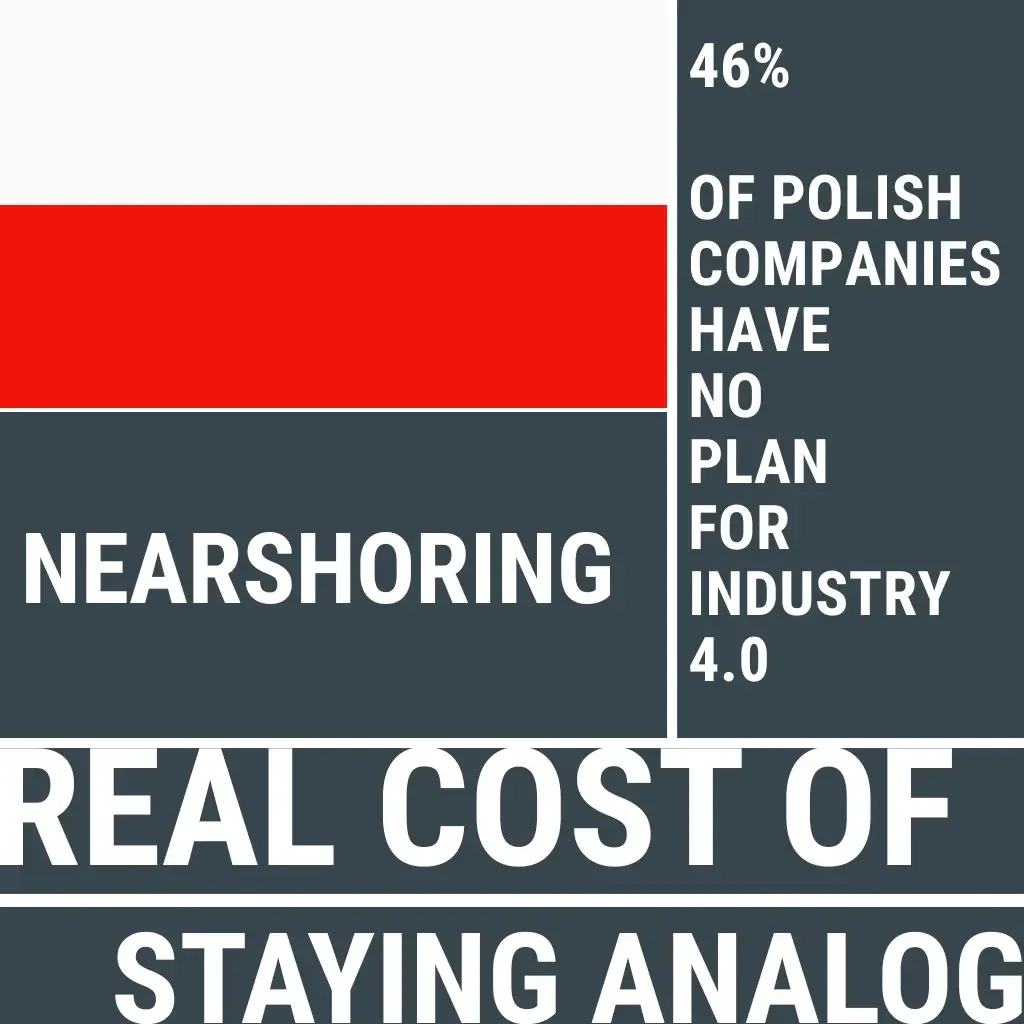
Poland has turned into one of Europe’s most attractive production locations for German and Western European manufacturers. More than half of German companies that plan to relocate production to Central and Eastern Europe now choose Poland as their first-choice destination.

Polish factories are under unprecedented pressure. Rising labour costs (manufacturing wages up around 7% year-on-year), tougher price competition from China, and a shortage of skilled workers are forcing difficult choices for production leaders.

In today’s fast-paced manufacturing world, inefficiency, sadly, is the norm, not the exception. All manufacturing companies are innefficient! From outdated equipment to manual processes, factories are losing valuable time and resources every day. This constant struggle with inefficiencies leads to increased costs, reduced productivity, and lost opportunities. Find out the GlobalReader solution for this!

In today's competitive production landscape, manufacturing data collection is the key to unlocking efficiency and driving growth. With the increasing complexity of modern production environments, relying on guesswork or outdated methods is no longer an option.

Collecting data is just the beginning; the real challenge lies in manufacturing data analytics based on real-time data. Take the 2nd step to digitalisation now!

In the fast-paced world of manufacturing, having access to real-time data in manufacturing is essential for staying ahead of the curve. With constant changes on the shop floor, knowing what’s happening at any given moment can be the difference between meeting your production targets and falling behind.
Everything about Lean Manufacturing

What first pass yield is, the FPY formula with a worked example, how FPY relates to the quality rate inside the OEE calculation, rolled throughput yield in brief, and what actually drives quality losses on an SME line.

One comprehensive page covering the entire andon family: what andon means (Toyota origin, jidoka in one paragraph), the classic toolkit (cord, light tower, board), and the 2026 version - mobile and email alerts plus TV dashboards replacing dedicated hardware.
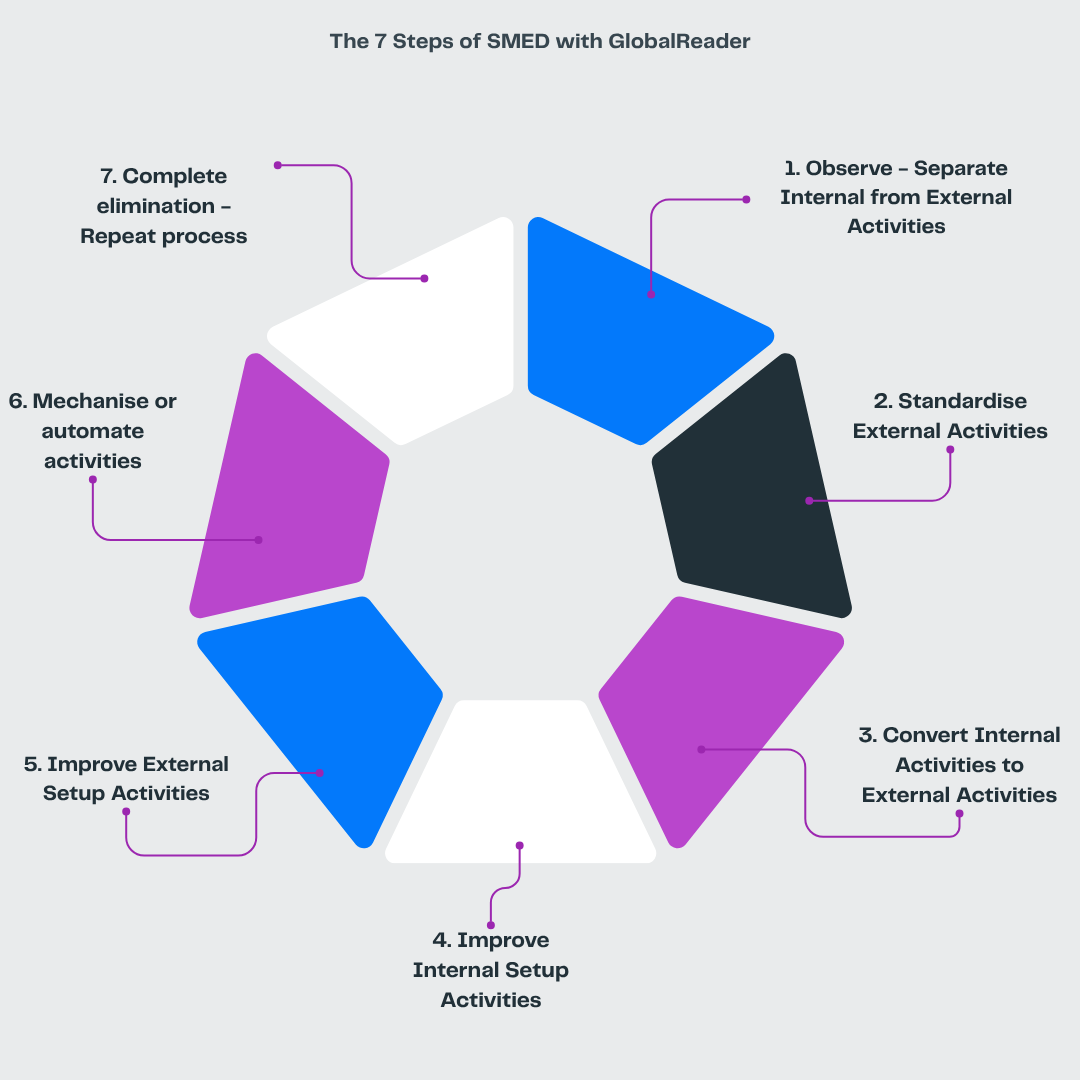
What is SMED in Plain English? The idea is simple: make changeovers fast. Really fast. We're talking about getting your machines switched over from making Product A to Product B in under 10 minutes.

The Kaizen process typically follows the PDCA cycle: Plan, Do, Check, Act. This cycle of continuous feedback and refinement ensures that improvements are sustainable and impactful over the long term.

Understanding and addressing the Six Big Losses in manufacturing is crucial for improving manufacturing efficiency and productivity.

Real-time factory tracking combined with Lean Manufacturing principles is the easiest way to increase OEE (Overall Equipment Efficiency) and make your factory smart. Also drive your factory towards a sustainable future, where data-driven insights shape decisions and saves time and money.

The differences between Lean Manufacturing and Six Sigma methodologies is that Lean manufacturing reduces waste & streamlines processes, while Six Sigma enhances quality by minimizing defects.
Read GlobalReader Case Studies about OEE
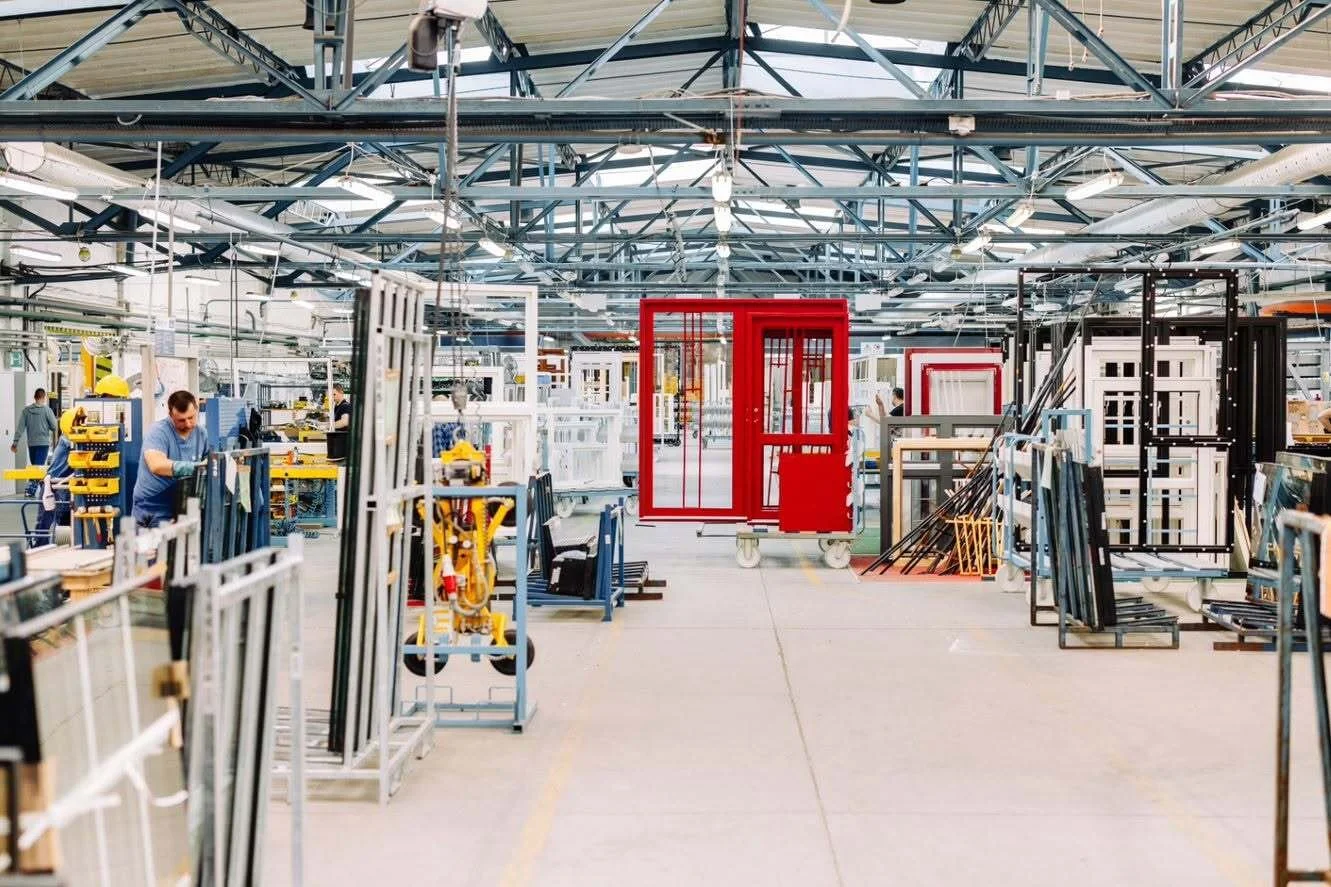
In 2024, JABS Sokółka connected its first set of most important machines to GlobalReader, starting with the line producing 70% of its capacity.
Two years later, and their daily output is up from 280 to 340 windows, efficiency has grown 20-25%, and investment decisions are now made based on real machine data instead of estimates.
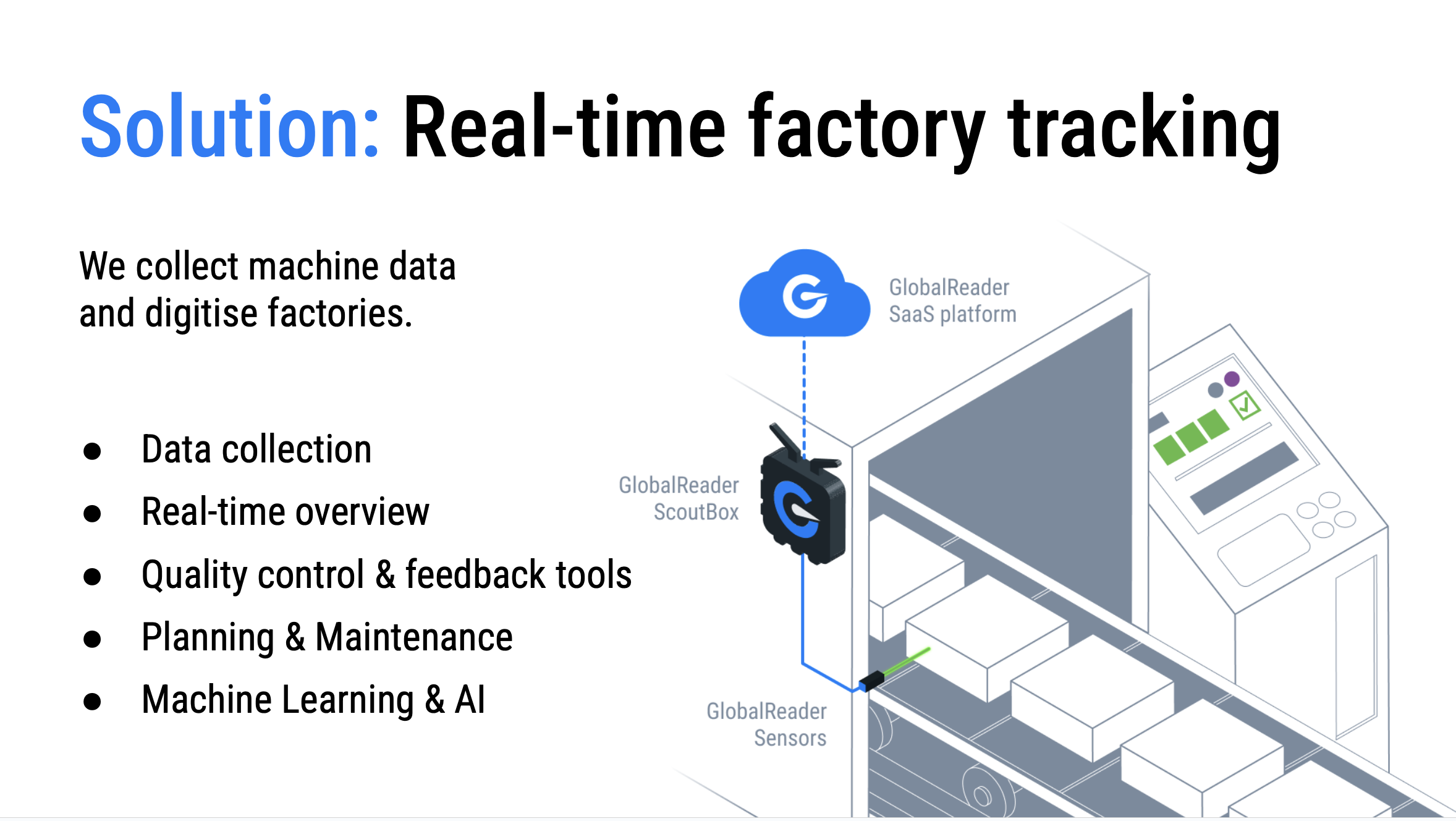
Discover how I&T Metall, a leading Estonian metal company, transformed its shopfloor operations by integrating GlobalReader with its Noom ERP system, automating manufacturing data collection and driving significant gains in efficiency.

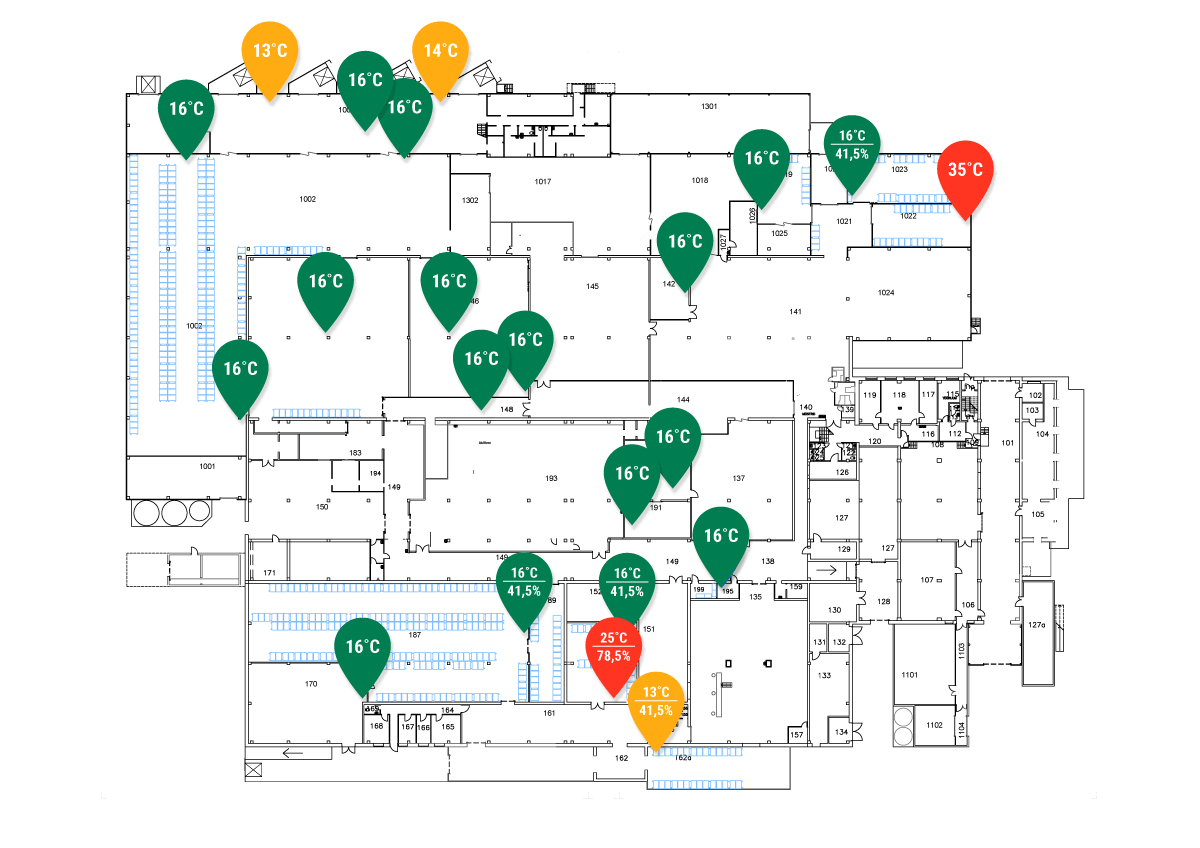
Tere Põlva had an audit coming in and their ISO standard stated that, all their warehouse temps and humidity is constanlty measured and recorded. What made this difficult was timeframe: 2 weeks to get all sensors, prepare 21 devices, install devices and prepare custom TV view with custom factory map. also some of the sensors needed to measure -50 C
GlobalReader helped to calibrate sensors from customers input
GlobalReader helped also to set up notification in case of temps are for some reason over the set limits
GlobalReader was able to execute all needed topics within promised timeframe

Two years of diligent production monitoring with GlobalReader has added up to impressive impacts at Balti Spoon.
The numbers here are the proof, but the bigger shift is how the plant operates: machines producing at optimal level, realistic targets that keep skilled operators motivated rather than blamed, and improvements are now driven by evidence rather than instinct.

Manufacturing sector has advanced with the integration of GlobalReader with Monitor ERP G5, improving operational transparency and efficiency. Through this, real-time data exchange between shop floor operations and ERP systems has been made possible, resulting in better equipment management, optimised material flow, and data-driven decision-making. Setting a new standard for sustainable practices and smart manufacturing, This wood manufacturing success story highlights the power of fusing Industry 4.0 technologies with lean manufacturing concepts.

Precision and productivity are the cornerstones of success, every percentage point of improvement matters. A metal production facility spanning 4,300 square meters, dedicated to crafting metal components and parts with a monthly production capacity of 2,300 machine hours.
Previously, this food industry received data on temperature and humidity from wall thermostats. And an extra employee was used who went around the production hall and wrote down the data by hand. This solution was not reliable and additional staff were needed. Secondly, defects or damaged products could not be traced early enough, due to a deficiency in the quality assurance process. Read about GlobalReadr’s cost effective solution.
Everything about Data Analysis

Real-time factory data refers to the immediate collection and analysis of information. This involves using sensors, IoT devices, and data analytics tools

Learn how tracking a performance report with GlobalReader’s Operator tool enhances OEE by monitoring operator activities, reducing downtime, and improving productivity with data-driven insights.
Everything about TEEP

Discover how GlobalReader outperforms leading competitors like Vorne, MachineMetrics, and Tulip in TEEP optimisation. From real-time data to predictive maintenance and rapid deployment—see why manufacturers choose GlobalReader to unlock hidden capacity and drive profitability.
TEEP is calculated by multiplying four factors: Availability, Performance, Quality, and Utilization to provide a comprehensive view of your operation Since OEE already includes Availability, Performance, and Quality, Utilisation is the missing factor needed to understand total equipment effectiveness over full calendar time.
ALL GlobalReader Posts

The comparison draws on Evocon's published pricing and feature pages (verified July 2026), verified user reviews on Capterra (4.8/5, 82 reviews) and G2, the Syspro acquisition announcement of 12 January 2026, and GlobalReader's published pricing and attributed customer results.
For most European manufacturers running 10-20 machines, GlobalReader is the most practical OEE software to start with. The hardware is included in the subscription, setup takes about 90 minutes, it connects to your ERP, and customers recover on average €39,200 of lost capacity per machine each year. Larger or specialised plants may be better served by Factbird, MachineMetrics or Vorne.
A good downtime interruption reason-code list is short enough for operators to use during a stop, but specific enough for managers to see patterns across shifts and lines. Start with 8 to 12 codes so operators get fast choices under pressure and leaders get cleaner data than a long list filled with guesses and “Other.”
Globalreader vs Competitors about TEEP
Discover how GlobalReader outperforms leading competitors like Vorne, MachineMetrics, and Tulip in TEEP optimisation. From real-time data to predictive maintenance and rapid deployment—see why manufacturers choose GlobalReader to unlock hidden capacity and drive profitability.
TEEP vs OEE: Formulas, Differences and When to Use Each
TEEP is calculated by multiplying four factors: Availability, Performance, Quality, and Utilization to provide a comprehensive view of your operation Since OEE already includes Availability, Performance, and Quality, Utilisation is the missing factor needed to understand total equipment effectiveness over full calendar time.
